The Short Version
This guide is less about specific brands and more about how to think about your bag system. The right bag for a residential tech who works alone is different from the right bag for a commercial crew chief who carries enough equipment for three people. We will cover formats, what to put in each, and the organization principles that separate efficient techs from the ones still hunting for their crimper at job number two.
Tool Bag Formats
Open-Top Tote Bags
The classic format for cable techs. Open top means no zipper to mess with. Rigid sides keep the bag upright when set down, so tools stay organized. External pockets for testers, screwdrivers, and small parts. The 14-16 inch size is the sweet spot for daily core kit. Larger versions exist for high-volume work but get heavy fast.
Tool Backpacks
Two-strap carry frees both hands for climbing ladders and carrying additional equipment. Essential for commercial work with frequent ladder transitions and cable spool carries. The downside is slower access — you have to take it off and unzip to get tools. Most pros pair a backpack with a small belt pouch for daily-grab tools.
Hard-Shell Cases
Foam-cut interiors that protect sensitive equipment. The right format for cable testers, fiber scopes, OTDRs, and other electronics that do not survive being dropped or jostled. Not for hand tools — they take up too much room and you cannot grab them quickly. Use them for the equipment that needs protection and a soft bag for the rest.
Modular Belt Systems
Belt-mounted pouches and holsters for the tools you use constantly — screwdriver, knife, marker, small tester. The tools live on you instead of in a bag, which means zero retrieval time. Best paired with a main tool bag where the larger tools stay until needed.
Bucket Organizers
Insert systems that turn a 5-gallon bucket into an organized tool carrier. Cheap, durable, and the bucket doubles as a seat or step. Good for low-volume work and as a secondary kit. The downside is the bucket is awkward to carry up ladders and not ideal for moving between many job sites in a day.
Tool Bag Comparison
| Format | Best For | Pros | Cons |
|---|---|---|---|
| Open-top tote (14-18") | Daily core kit, ground-level work | Fast access, organized, durable | Single-strap carry |
| Tool backpack | Ladder-heavy commercial work | Hands-free climbing, larger capacity | Slower tool access |
| Hard-shell case (foam-cut) | Sensitive electronics | Maximum protection, dust/water resistant | Bulky, slow access |
| Modular belt system | Daily-grab small tools | Zero retrieval time, hands-free | Limited capacity, can interfere on ladder |
| Bucket organizer | Low-volume / DIY | Cheap, doubles as seat | Awkward on ladders, less protection |
| Rolling tool case | Heavy gear, single drop-off jobs | No back strain, large capacity | Useless on stairs, ladders, rough sites |
What to Put in a Low-Voltage Tool Bag
The bag is the container. The kit is the system. Here is what every working low-voltage tech should have in the daily bag.
Termination Tools
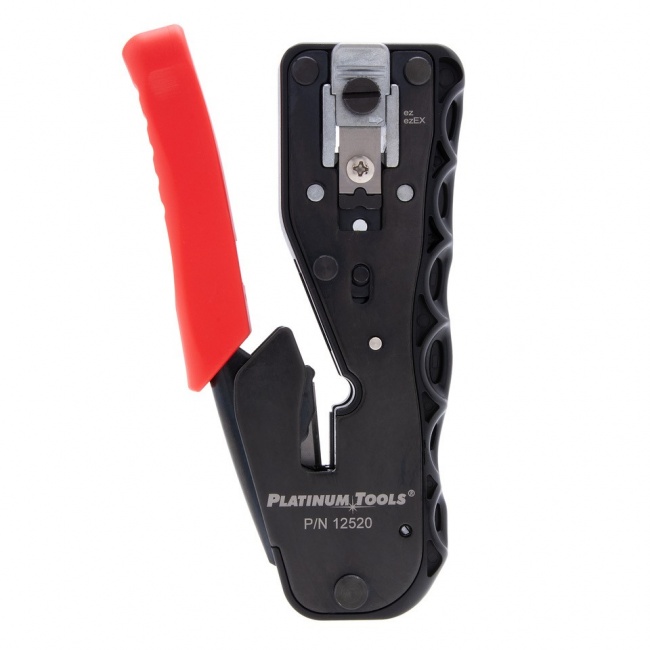
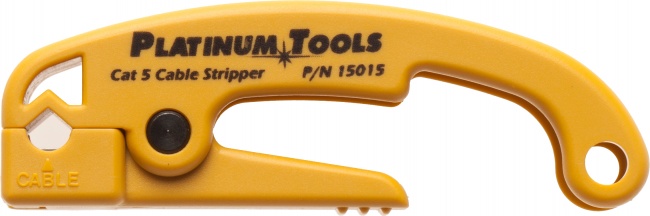
An RJ45 crimper, a cable stripper, a punch down tool from a pro punchdown kit, and a small set of connector inventory in a separate pouch. Termination is the most repeated motion of the day — these tools stay in fast-access pockets.
Testing Tools
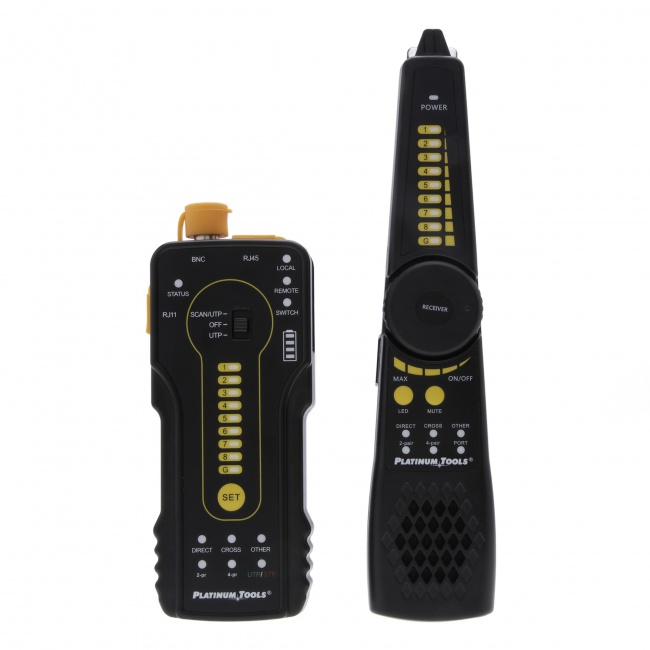
At minimum, a basic wiremap tester. For commercial work, a digital tone and probe kit for cable identification. For high-end work, a VDV MapMaster in a dedicated hard-shell case so it does not get banged around.
Hand Tools
Screwdrivers (Phillips and flathead, multiple sizes), needle-nose pliers, side cutters, a utility knife, a tape measure, and a flashlight or headlamp. The basics every tech carries. Most go in fixed pockets so they are always in the same place.
Consumables
Connectors (in a parts organizer to keep types separate), velcro ties, cable ties, electrical tape, labels and a marker. Everything that gets used up. Dedicate a separate pouch or organizer so consumables do not migrate into your tool pockets.
Common Mistakes Organizing a Tool Bag
Buying Too Big
A 22-inch bag fits more, but it weighs 35 pounds when fully loaded and you spend the day digging for the small tools at the bottom. Most techs are happier with a smaller bag and a discipline about what goes in it. Anything you have not used in three months belongs in the truck, not the daily bag.
No Assigned Locations
If your crimper lives in a different pocket every day, you spend 5-10 seconds finding it every time you reach for it. Across a year that is hours of wasted time. Assign every tool a specific home and reset every evening before leaving the truck.
Letting Consumables Mix With Tools
Loose connectors, ties, and screws migrate to the bottom of the bag and turn it into a chaos pit. Keep consumables in dedicated pouches or trays. The bag is for tools, the pouches are for parts.
Skipping Daily Inventory
Tools left at job sites are the most expensive recurring cost in this trade. A 60-second visual inventory at the end of every job catches the missing screwdriver before you drive away. Build the habit and stop buying replacement tools.
Bag Material and Construction
1680D Ballistic Polyester vs Canvas
Modern tool bags use 1680D ballistic polyester (the same material as military gear). It resists abrasion, water, and the inevitable drag-across-concrete moments. Old-school canvas bags look great but soak up grease, fray at the seams, and need replacing every two years. Pay the extra $20 for ballistic polyester.
Molded Bottoms
A rubber or hard plastic molded bottom keeps the bag standing on its own and survives wet job sites without wicking moisture into the fabric. Cloth-bottom bags slump open the moment you set them down and get damp from any concrete that's been recently mopped.
Heavy-Duty Zippers
The first thing to fail on a cheap bag is the zipper. YKK zippers are the de facto standard for a reason — they survive years of opening with full hands and metal tools jammed against the teeth. If the bag's spec sheet doesn't say YKK, assume the zipper is the failure point.
Pro Tips From the Field
Pack the Bag the Same Way Every Day
Muscle memory is the difference between a 4-hour install and a 6-hour install. If your crimpers always live in the front-left pocket, your hand finds them without your eyes leaving the job. Reset the bag every evening before you go home. Five minutes a day is hours per week.
Lighter Bag, Faster Day
Every pound in the bag is a pound you carry up a ladder a hundred times a day. The leanest pros we know carry two bags: a 14-inch daily kit, and a "second bag" that stays in the truck with the gear they only need on specific jobs. Two trips to the truck is faster than carrying 35 pounds for ten hours.
Keep a Spare Set of Critical Consumables
An extra pack of connectors, a spare bag of velcro ties, and a backup roll of electrical tape live in the truck, not the daily bag. The daily bag carries enough for a single job. The truck carries enough for the week.
Hard-Shell for Anything With a Screen
Cable certifiers, OTDRs, and other test equipment with screens belong in foam-lined hard cases, period. We've replaced more cracked screens than we'd like to admit because someone dropped a soft tool bag onto concrete. The hard case pays for itself the first time it saves a $1,200 tester.
Match the Bag to the Tech
Residential Smart Home Installer
Most work in homes, attics, and crawlspaces. Solo work, frequent moves between sites.
Pick a 14-16 inch open-top tote with external pockets, plus a small parts organizer for connectors.
Commercial Cable Crew
Office buildings, lots of ladder time, large bundles, longer days.
Pick a tool backpack plus a belt pouch for daily-grab items. Hard-shell case for the tester.
IT / Network Admin
Wiring closets in occupied buildings. Mostly diagnostic and MAC work, less heavy installation.
Pick a smaller 12-14 inch bag focused on testers and patch tools. Hard-shell for sensitive testers.
Fiber Tech
Fiber termination, splicing, and testing. Sensitive equipment that does not survive abuse.
Pick a hard-shell case for the OTDR, fusion splicer, and microscope. Soft bag for hand tools and fiber kits.
Related Reading
Frequently Asked Questions
What is the best tool bag for a cable installer?
For most low-voltage installers, an open-top tool bag in the 14-18 inch range with rigid sides and external pockets is the right format. The open top lets you grab tools fast, the rigid sides keep the bag upright when set down, and external pockets organize testers, crimpers, and small parts.
Should I get a backpack or shoulder bag for cable work?
It depends on how much ladder work you do. Backpacks free both hands for climbing and carrying spools, which is essential for commercial pulls. Shoulder bags are faster to access for ground-level work but are awkward on a ladder. Many techs carry both — a backpack for the main kit and a small shoulder pouch for the tools they use most.
What size tool bag do I need?
Match the size to your daily core kit, not your truck. A 14-16 inch bag holds the daily-use tools. A 22+ inch bag adds capacity for fish tape reels and larger testers but becomes too heavy to comfortably hand-carry. Most pros find 14-18 inches is the sweet spot.
How do I keep my tool bag organized on the job?
Stop dumping. Assign every tool a specific pocket and put it back in that location every time. Use small zip pouches or organizer trays for connectors and small parts. At the end of every job, do a 60-second tool inventory check to catch anything you left behind.
Do I really need a tool bag, or can I just use a 5-gallon bucket?
A bucket works for low-volume work. The downsides become obvious once you start moving — buckets do not have organization, they are awkward to carry up a ladder, and they offer no protection for sensitive tools. For pro work a real tool bag pays for itself in time saved hunting for the right tool.
Build the Right Kit
Browse the tools that fill the bag — crimpers, strippers, testers, and termination kits.